Source Infrared Physiotherapy Foot Massager for Home, Office, and Travel
Compare 30 infrared physiotherapy foot massager options from verified Chinese manufacturers. Buyers can evaluate specifications like voltage, material, and massage modes to find suitable units for personal or commercial use.
Key considerations
Products List
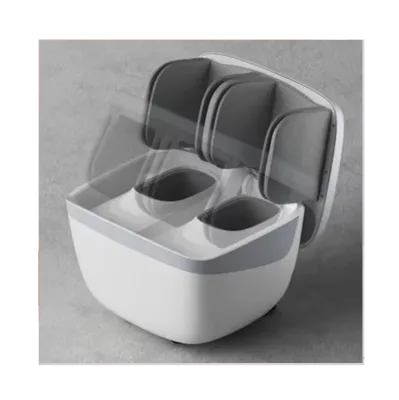
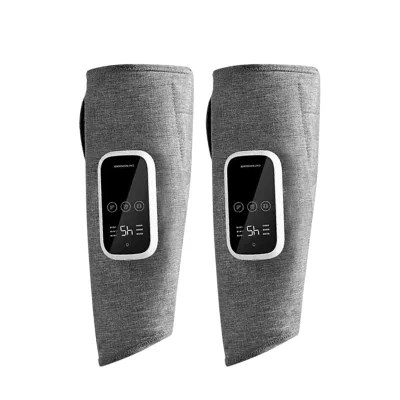
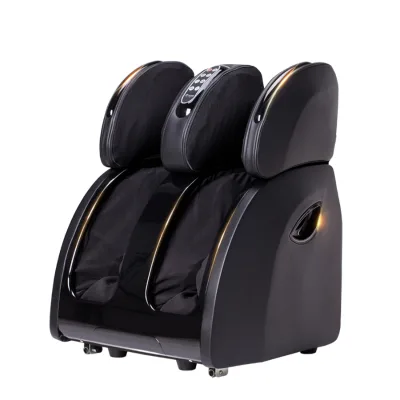
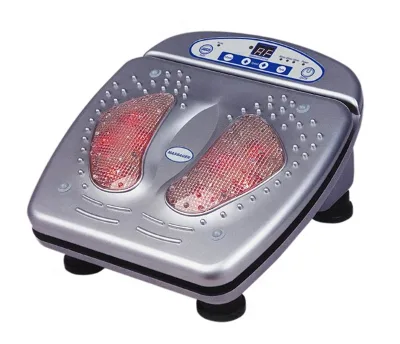
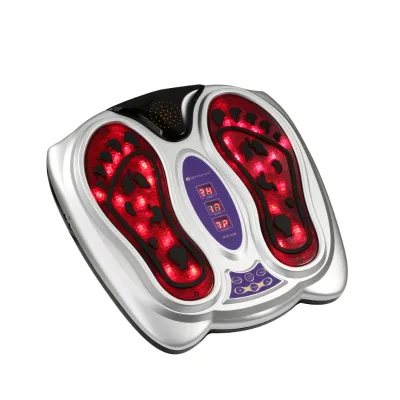
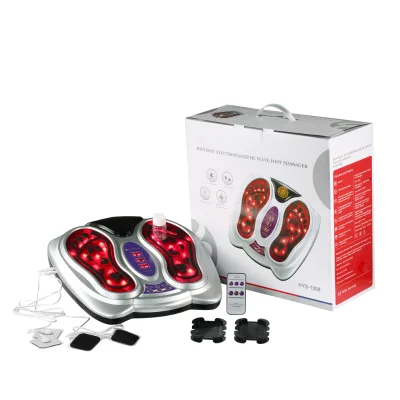
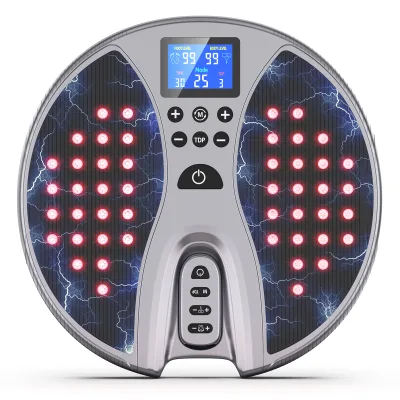
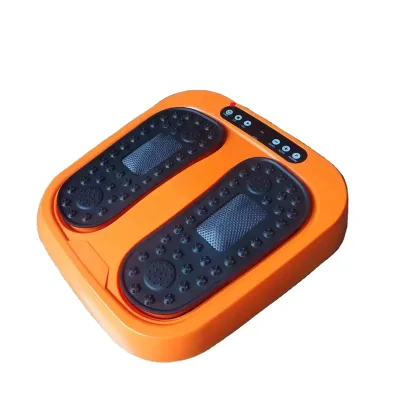
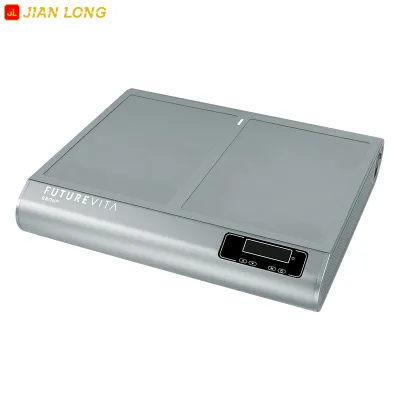
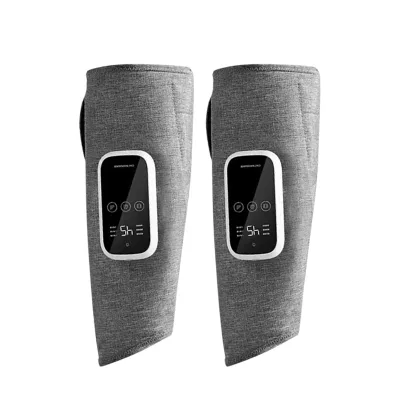
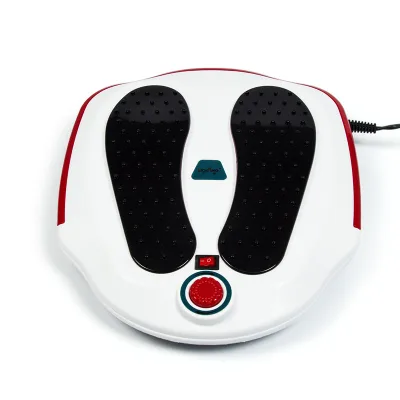
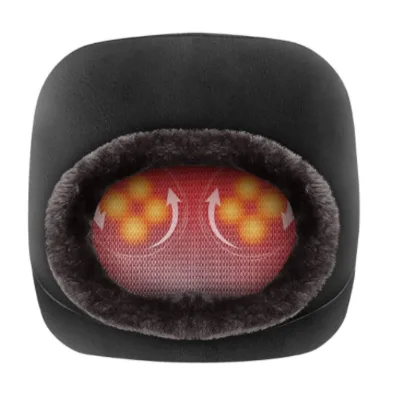


Comprehensive Sourcing Guide
Strategic Sourcing Guide for Infrared Physiotherapy Foot Massagers
Understanding the Core Product Category and Technical Specifications
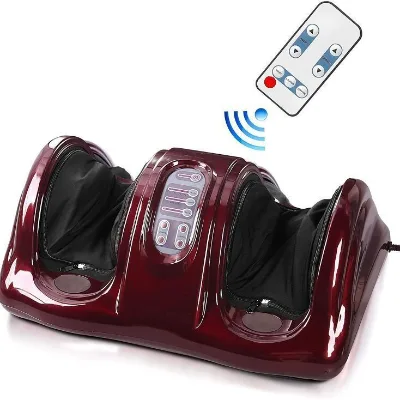
When sourcing an infrared physiotherapy foot massager, buyers must first distinguish between the specific functional claims and the underlying hardware capabilities observed in the market. The core keyword implies a device designed for therapeutic application, specifically targeting the foot region to promote circulation and relaxation through thermal and mechanical means. Based on available product data, the functional architecture of these devices often integrates infrared heating elements with mechanical massage modes. The observed specifications indicate that the primary function is explicitly categorized as "Infrared physiotherapy," confirming the thermal aspect of the treatment.
The mechanical operation of these units typically involves a combination of Shiatsu and rolling massage modes. This dual-action approach is designed to mimic human hand movements, providing deep tissue stimulation alongside the soothing effects of heat. The product attributes further reveal that the massage speed is often adjustable, allowing users to customize the intensity of the treatment. In some configurations, vibration massage is also integrated, adding another layer of sensory stimulation to the foot therapy experience.
Power requirements are a critical technical specification that varies significantly across different models. The observed data presents a dichotomy in power sources. One set of specifications lists a rated voltage of 110V-230V with a frequency of 50-60Hz, indicating a standard plug-in AC power source suitable for global residential and commercial use. Conversely, other entries specify a DC 12V power source, which suggests the need for an external adapter or a specific power supply unit. The rated power for the AC models is observed at 55W, a figure that buyers should use as a baseline for energy consumption calculations. It is essential to verify the exact power rating of the specific unit being procured, as discrepancies in voltage and wattage can impact compatibility with local electrical grids and safety compliance.
Physical dimensions and packaging are equally vital for logistics planning. The product size for the primary foot massager model is observed at 51x49.3x36 cm, while the single package size is listed as 45x45x35 cm. These dimensions are crucial for calculating container loading efficiency. For instance, a 40-foot high cube container can theoretically accommodate approximately 800 pieces of this specific model, whereas a 20-foot container holds around 360 pieces. The single gross weight is recorded at 2.000 kg, and the net weight is 1.1 kg, factors that directly influence shipping costs and freight classification.
Compliance, Certification, and Safety Standards
In the realm of medical and therapeutic devices, compliance is not merely a regulatory hurdle but a fundamental indicator of product safety and market readiness. Buyers must rigorously verify that the infrared physiotherapy foot massagers they source meet the necessary international safety standards. The available data indicates that certain models carry CE and RoHS certifications. The CE mark signifies conformity with health, safety, and environmental protection standards for products sold within the European Economic Area. RoHS compliance ensures that the product is manufactured without specific hazardous materials, such as lead, mercury, or cadmium, which is a requirement for electronic goods in many jurisdictions.
However, the presence of these certifications in the product data should be treated as an observation of specific listings rather than a universal guarantee for all infrared foot massagers. Buyers must explicitly request valid certification documents from the supplier for the exact model number they intend to purchase. It is common for manufacturers to have different production lines or batches that may or may not be certified. Therefore, the procurement strategy must include a verification step where the buyer asks for the specific test reports associated with the CE and RoHS claims.
Safety standards for electrical appliances also dictate strict requirements regarding insulation, grounding, and temperature control. Given that these devices generate heat for infrared therapy, the temperature range is a critical safety parameter. Observed data suggests a temperature operating range of 0℃-50℃. This range indicates the device is designed to operate within ambient conditions but also implies a maximum surface or internal temperature limit that must not be exceeded during use. Buyers should verify that the device includes thermal cutoff mechanisms or automatic shut-off features to prevent overheating, which is a standard safety feature in reputable therapeutic massagers.
Furthermore, the material composition plays a role in compliance. The observed materials include ABS plastic and PU/Silicone. ABS is a durable thermoplastic commonly used for the outer casing, while PU/Silicone is often used for the internal contact surfaces that touch the skin. These materials must be non-toxic and hypoallergenic to ensure they do not cause adverse reactions during prolonged use. The supplier should provide material safety data sheets (MSDS) or declarations of conformity for these components to ensure they meet the relevant chemical safety standards of the target market.
Cost Drivers and Pricing Dynamics
The pricing of infrared physiotherapy foot massagers is influenced by a complex interplay of factors, including material quality, functional complexity, and order volume. The observed price range in the market spans from $8.25 to $482.28. This wide disparity indicates that the category encompasses products ranging from basic, entry-level units to high-end, feature-rich models. The lower end of the price spectrum likely corresponds to simpler designs with fewer massage modes, basic materials, and minimal packaging. In contrast, the higher price points may reflect advanced features such as precise temperature control, premium materials like high-grade silicone, and comprehensive after-sales support packages.
Order Volume is a primary driver of unit cost. The observed Minimum Order Quantity (MOQ) ranges from 1 to 500 pieces. Suppliers offering an MOQ of 1 are typically targeting retail buyers or those testing the market, and these units often carry a premium price due to the lack of economies of scale. Conversely, suppliers with an MOQ of 500 pieces are targeting bulk procurement, where the unit cost is significantly reduced through mass production efficiencies. Buyers should note that the specific MOQ for a given model can vary based on the customization level. For instance, models with customized logos or specific color requirements may have higher MOQ thresholds to justify the setup costs for tooling and branding.
Customization is another significant cost factor. The product data confirms that OEM (Original Equipment Manufacturer) and ODM (Original Design Manufacturer) services are welcomed and acceptable. This means buyers can request modifications to the product design, branding, or functionality. However, such customizations invariably increase the unit cost and may extend the lead time. The cost drivers for customization include the development of new molds, the procurement of specific colored materials (such as White, Black, or Orange), and the application of custom logos. Buyers must balance the desire for brand differentiation with the budgetary constraints of the project.
Additionally, the complexity of the internal components affects the price. Models with multiple massage modes, adjustable speeds, and vibration features generally cost more than those with a single function. The inclusion of infrared heating elements also adds to the manufacturing cost compared to purely mechanical massagers. Buyers should analyze the total cost of ownership, which includes not only the purchase price but also shipping, tariffs, and potential warranty claims. A lower initial price might be offset by higher shipping costs if the product has a larger volume or weight, or by higher maintenance costs if the build quality is inferior.
Typical Applications and Market Segmentation
The primary application of infrared physiotherapy foot massagers is focused on foot care and general body health. The product attributes explicitly state the application as "foot," confirming that the device is designed to target the specific anatomical needs of the lower extremities. The therapeutic benefits are derived from the combination of heat and mechanical massage, which can help alleviate foot fatigue, improve blood circulation, and reduce muscle tension. This makes the product particularly suitable for individuals who spend long hours standing or walking, as well as for those seeking relaxation after physical exertion.
Beyond the direct therapeutic application, these devices are also marketed for general body healthcare massage. The functional description includes "Body Healthcare Massage," suggesting that while the primary focus is the foot, the device may offer broader wellness benefits. This positioning allows the product to appeal to a wider audience, including those looking for home wellness solutions or spa-like experiences in a domestic setting. The portability feature noted in some models further expands the application scope, allowing users to transport the device for use in different locations, such as offices or travel destinations.
The market segmentation for these products is diverse, ranging from individual consumers to commercial entities. Individual buyers are often interested in the convenience and health benefits of the device for personal use. Commercial buyers, such as hotels, spas, and physiotherapy clinics, may purchase these units in bulk to offer as part of their service offerings. The "Selling Units" attribute indicates that the product is often sold as a single item, which aligns with both retail and commercial procurement needs. However, the availability of OEM/ODM services suggests that commercial buyers can also brand these devices as their own, creating a unique product line for their specific clientele.
The versatility of the product is further enhanced by the availability of different colors and designs. The observed color options include White, Black, Orange, and various other shades associated with specific model numbers. This variety allows buyers to select products that match their brand identity or the aesthetic preferences of their target market. For example, a spa might prefer a neutral color palette like Beige or Gray to maintain a calming atmosphere, while a retail brand might opt for vibrant colors like Orange to attract attention on store shelves.
Supplier Evaluation and Sourcing Strategy
Selecting the right supplier is a critical step in the procurement process, as it directly impacts product quality, delivery reliability, and after-sales support. The observed data indicates that suppliers are located in various regions of China, with specific mentions of Fujian and Shanghai. These regions are known for their manufacturing capabilities in the electronics and consumer goods sectors. Buyers should evaluate suppliers based on their location, as proximity to ports and logistics hubs can influence shipping times and costs.
One of the key evaluation criteria is the supplier's commitment to after-sales service. The product data lists "Online Technical Support" and "Onsite Training" as available services. This indicates that reputable suppliers are willing to provide assistance beyond the initial sale. Buyers should prioritize suppliers who offer comprehensive support, including troubleshooting guides, remote diagnostics, and, if necessary, on-site training for staff. This level of support is particularly important for commercial buyers who may need to train employees on the proper use and maintenance of the devices.
Another important factor is the supplier's flexibility regarding customization. The data shows that OEM/ODM services are "Kindly Welcomed" and "Acceptable." This suggests that suppliers are open to working with buyers to create custom products. Buyers should assess the supplier's capacity to handle customization requests, including their ability to manage tooling, material sourcing, and branding. A supplier with a robust R&D team and flexible production lines will be better equipped to meet the specific needs of the buyer.
The supplier's track record in terms of quality control and certification is also paramount. Buyers should request evidence of the supplier's quality management systems, such as ISO certifications, and verify the authenticity of the CE and RoHS certifications mentioned in the product data. A supplier with a history of producing compliant, high-quality products is more likely to deliver a reliable supply chain. Additionally, buyers should consider the supplier's sample availability. The data indicates that samples are "Availbale Anytime," which allows buyers to test the product quality before committing to a large order.
Quality Control and Long-Term Procurement Considerations
Ensuring consistent quality is essential for maintaining customer satisfaction and brand reputation. Buyers should implement a rigorous quality control (QC) process that includes pre-production, in-production, and pre-shipment inspections. Pre-production inspections should verify that the materials, such as ABS and PU/Silicone, meet the specified standards. In-production inspections should monitor the assembly process to ensure that electrical components, such as the 55W motor and infrared heating elements, are installed correctly and function as intended. Pre-shipment inspections should confirm that the final products meet the required specifications, including dimensions, weight, and packaging.
Long-term procurement considerations involve building a sustainable relationship with the supplier. This includes establishing clear communication channels, defining performance metrics, and setting expectations for continuous improvement. Buyers should also consider the lifecycle of the product, including the availability of spare parts and the warranty terms. The observed data indicates a "One Year" warranty, which is a standard term for this type of product. Buyers should ensure that the warranty covers both manufacturing defects and functional failures, and that the supplier has a clear process for handling warranty claims.
Sustainability is another emerging consideration in procurement. Buyers should evaluate the supplier's environmental practices, such as their use of eco-friendly materials and energy-efficient manufacturing processes. The RoHS certification is a positive indicator of environmental compliance, but buyers should look for additional sustainability initiatives, such as waste reduction programs and carbon footprint management. By prioritizing suppliers with strong sustainability practices, buyers can align their procurement strategy with broader corporate social responsibility goals.
Finally, buyers should remain vigilant about market trends and technological advancements. The infrared physiotherapy foot massager market is dynamic, with new features and technologies constantly emerging. Buyers should stay informed about these developments and be prepared to adapt their sourcing strategy accordingly. This may involve exploring new suppliers, negotiating better terms, or investing in more advanced product models. By maintaining a proactive approach to procurement, buyers can ensure that they remain competitive in the market and continue to deliver high-quality products to their customers.
FAQs
What certifications do infrared physiotherapy foot massagers have?
Some models carry CE and RoHS certifications to ensure safety and environmental compliance. Buyers must verify specific test reports for the exact model number before purchase, as these certifications are not universal across all listings.
How is the power supply configured for these massagers?
Power requirements vary between AC 110V-230V plug-in sources and DC 12V adapters. The rated power for AC models is typically 55W, so users must check the specific voltage and wattage to ensure compatibility with local electrical grids.
Which massage modes are available for foot therapy?
Devices typically offer Shiatsu and rolling massage modes to mimic human hand movements. Some configurations also include vibration massage and adjustable speeds to provide deep tissue stimulation alongside infrared heating for enhanced relaxation.
Can I customize the logo and color of the product?
Yes, OEM and ODM services are welcomed with customized logos and colors like white, black, or orange available. Customization may increase the unit cost and require a higher minimum order quantity to justify the setup expenses.
What is the typical minimum order quantity for bulk buying?
The minimum order quantity ranges from 1 piece for retail testing to 500 pieces for bulk procurement. Suppliers with higher MOQs often offer lower unit costs due to mass production efficiencies compared to single-item sellers.
How much does a 40-foot container hold for this product?
A 40-foot high cube container can theoretically accommodate approximately 800 pieces of the standard model. A 20-foot container holds around 360 pieces, which is critical data for calculating shipping costs and logistics planning.